Come Home to Yourself: What We Only See When We Slow Down
There's a moment, most mornings, when a robin lands on the edge of a water bowl in the garden. Wings still, head cocked, watching its own reflection ripple. If you're rushing past with a cup of tea in hand and your mind three tasks ahead, you'll miss it entirely. Slow down by even a breath, and it's there — small, ordinary, extraordinary.
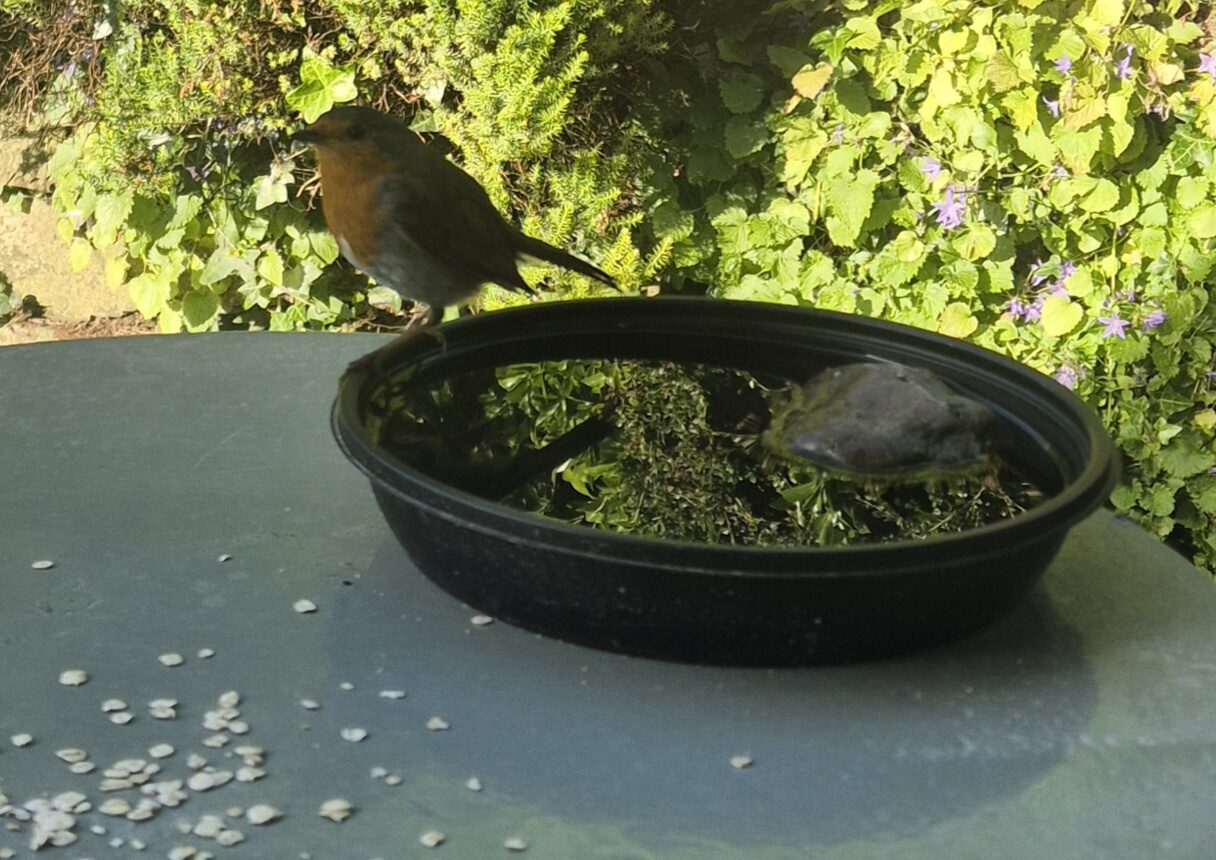
This is what mindfulness is, at its heart. Not a technique you perform, but a doorway you walk through — back into a life that was there all along, waiting to be noticed.
The world doesn't get quieter. We do.
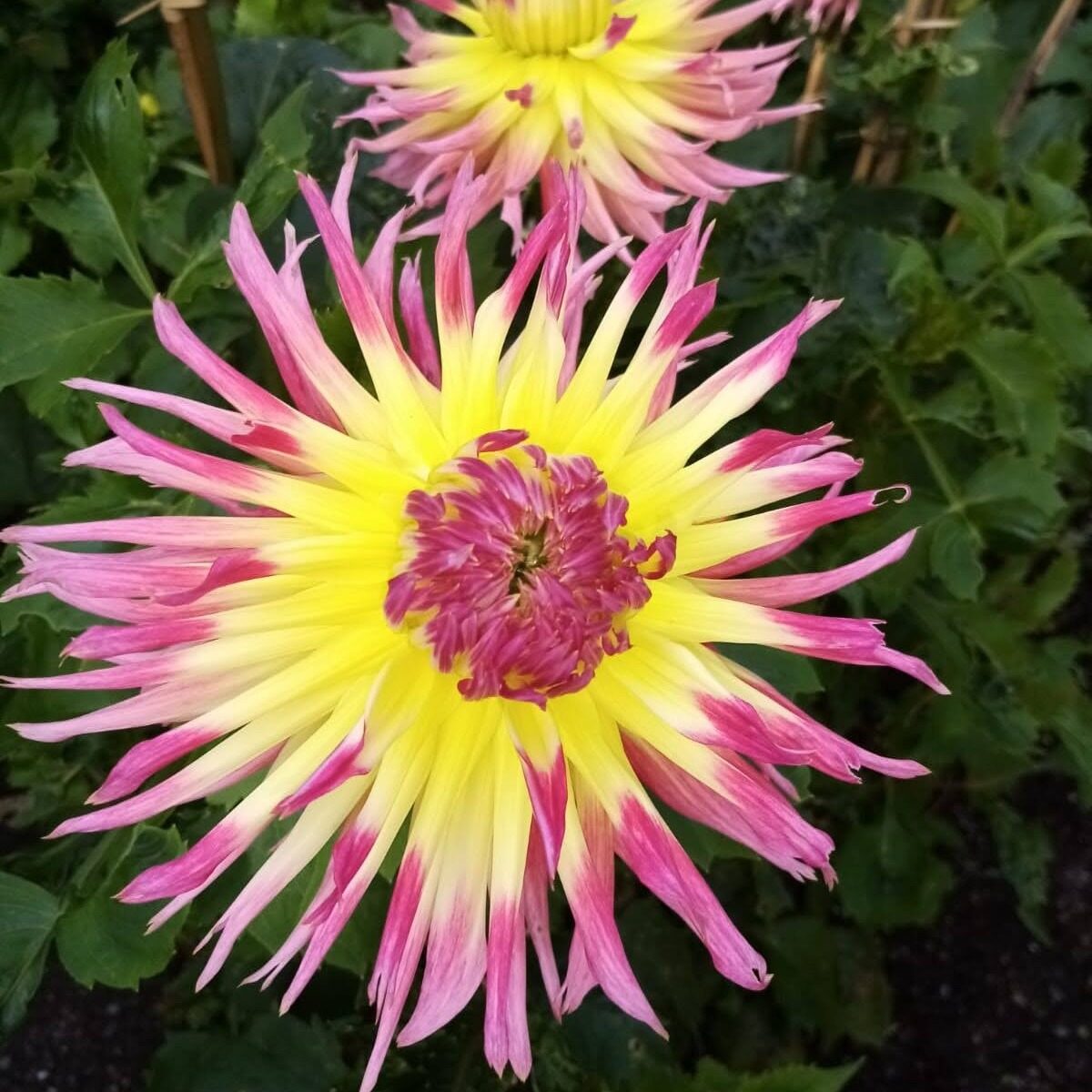
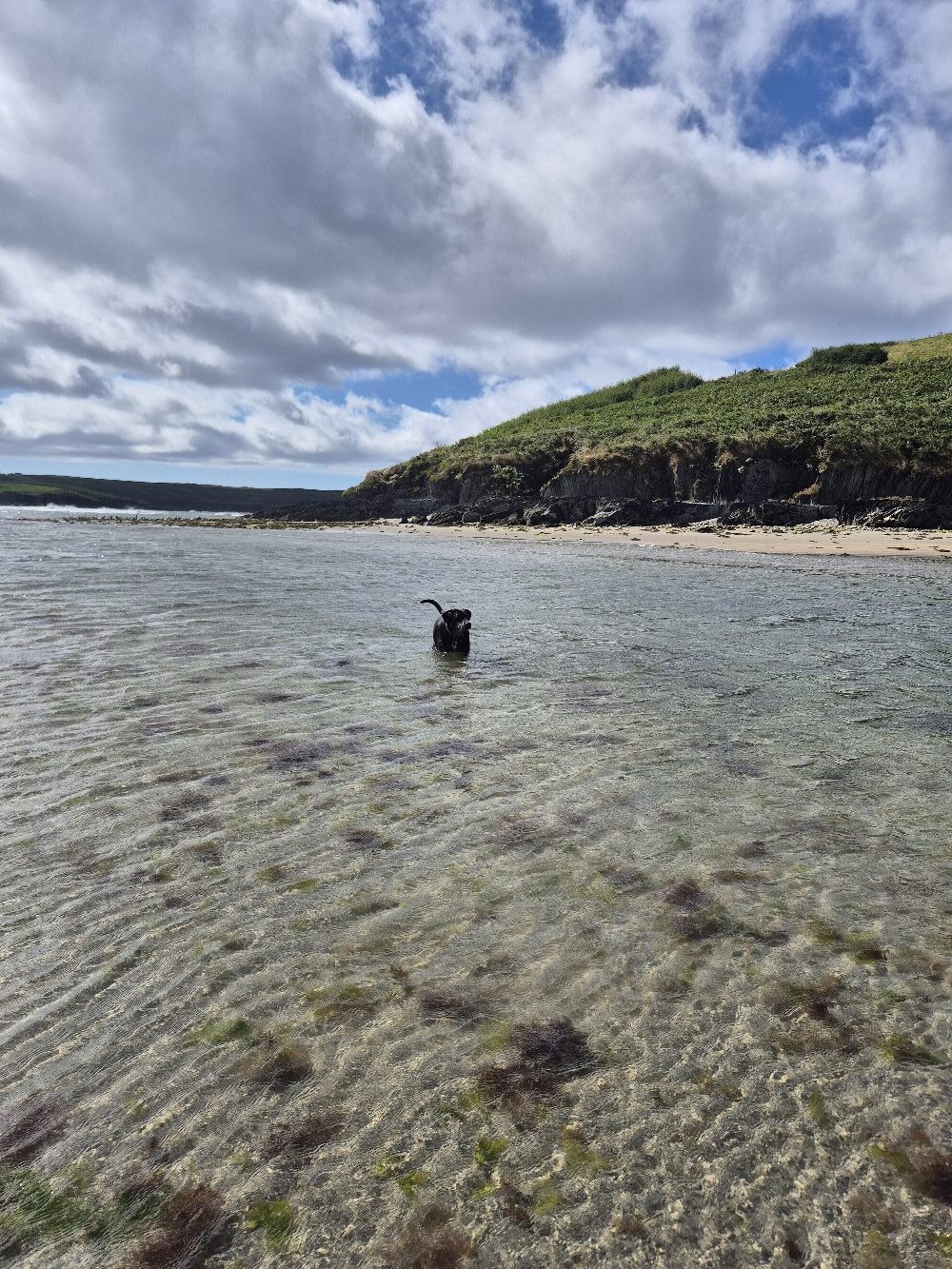
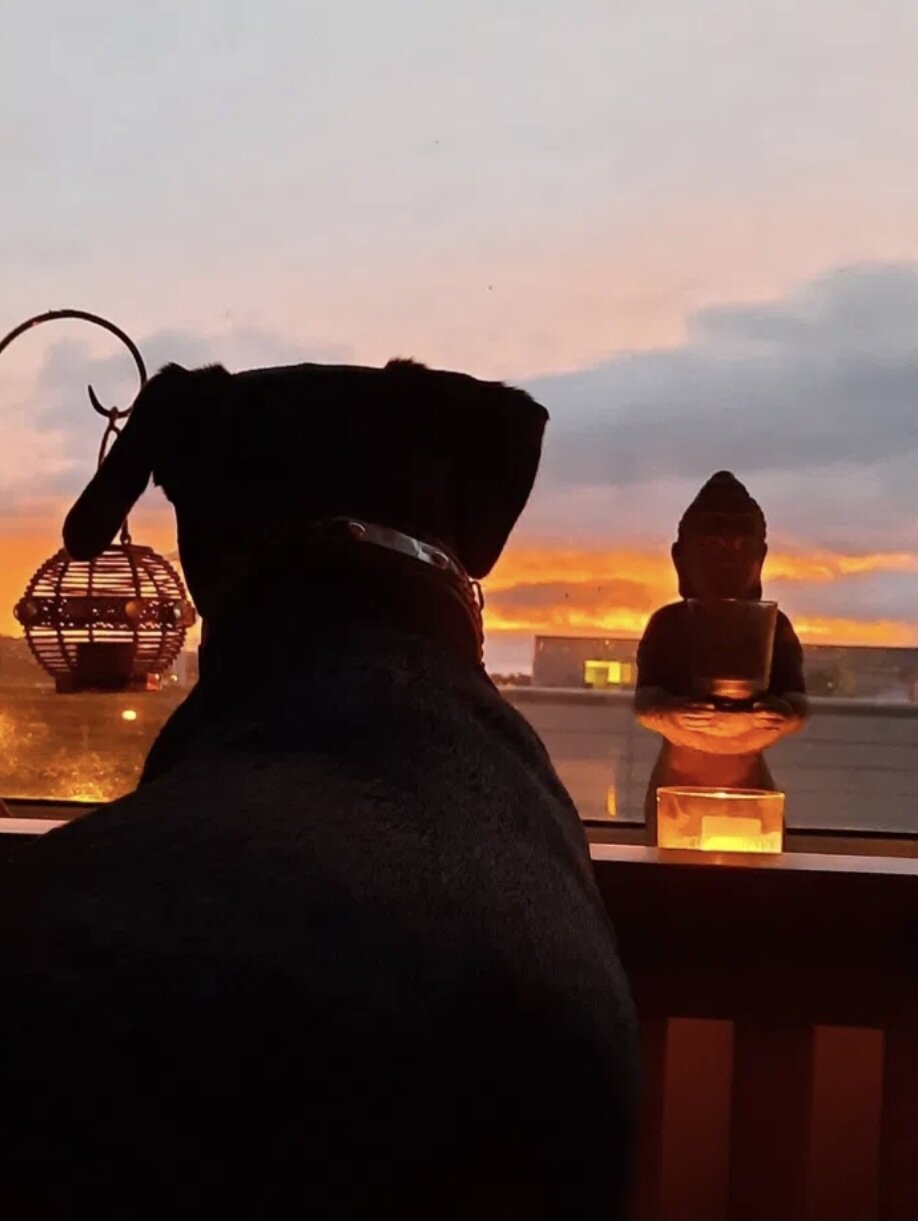
We talk about "finding time" for stillness, as though it's hidden somewhere we haven't looked yet. But stillness isn't hidden. It's in the dahlia unfurling its impossible pink-and-yellow spikes in the garden bed. It's in the way a dog wades chest-deep into cold water, utterly unconcerned with anything but this. The world isn't holding back its beauty from us. We're the ones moving too fast to receive it.
Mindfulness asks something simple and radical: slow down enough to actually be where you are.
Waking the senses, one at a time
When we practise presence, we're really practising attention — deliberately, gently, returning again and again to what's real and immediate.
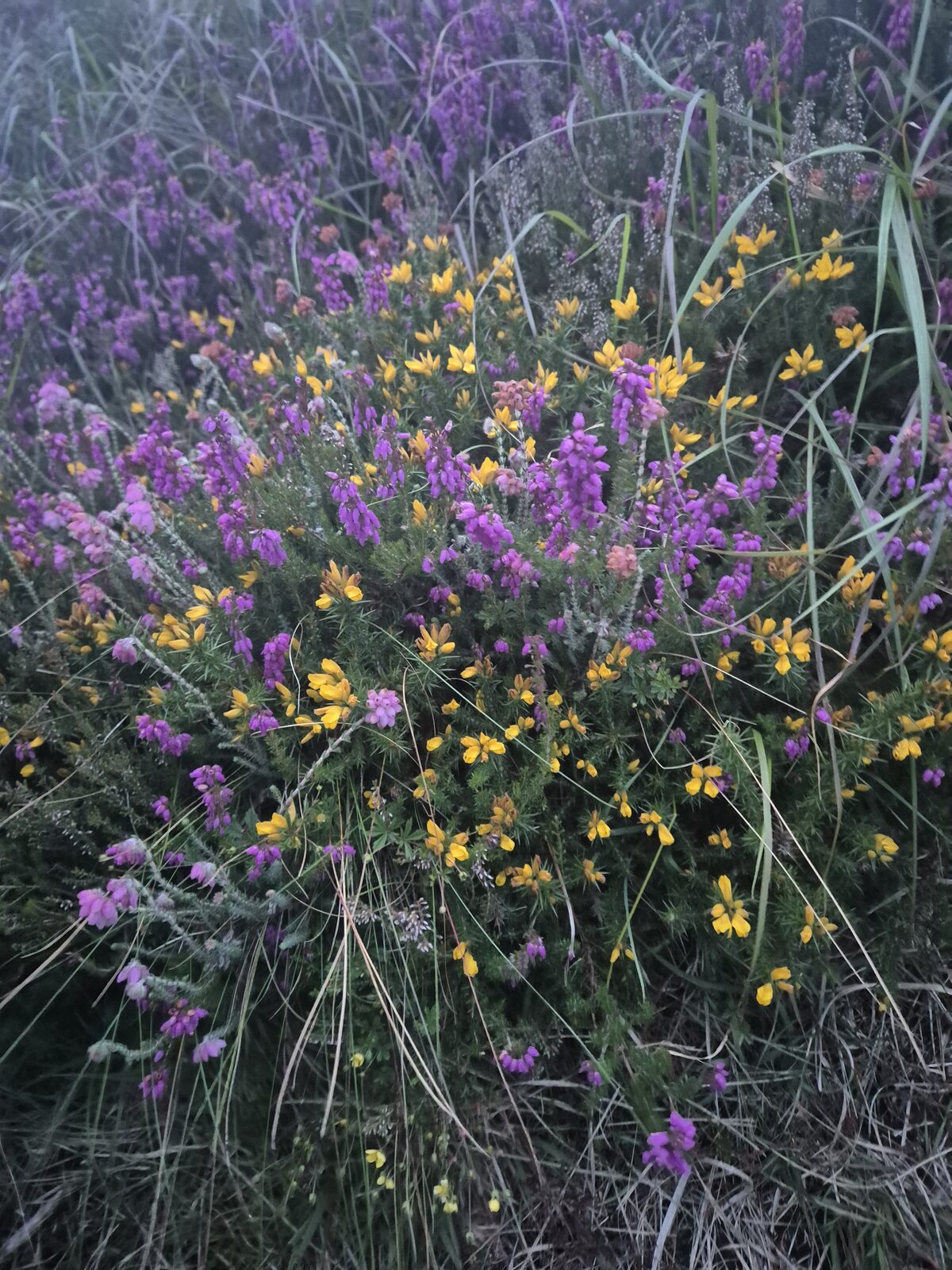
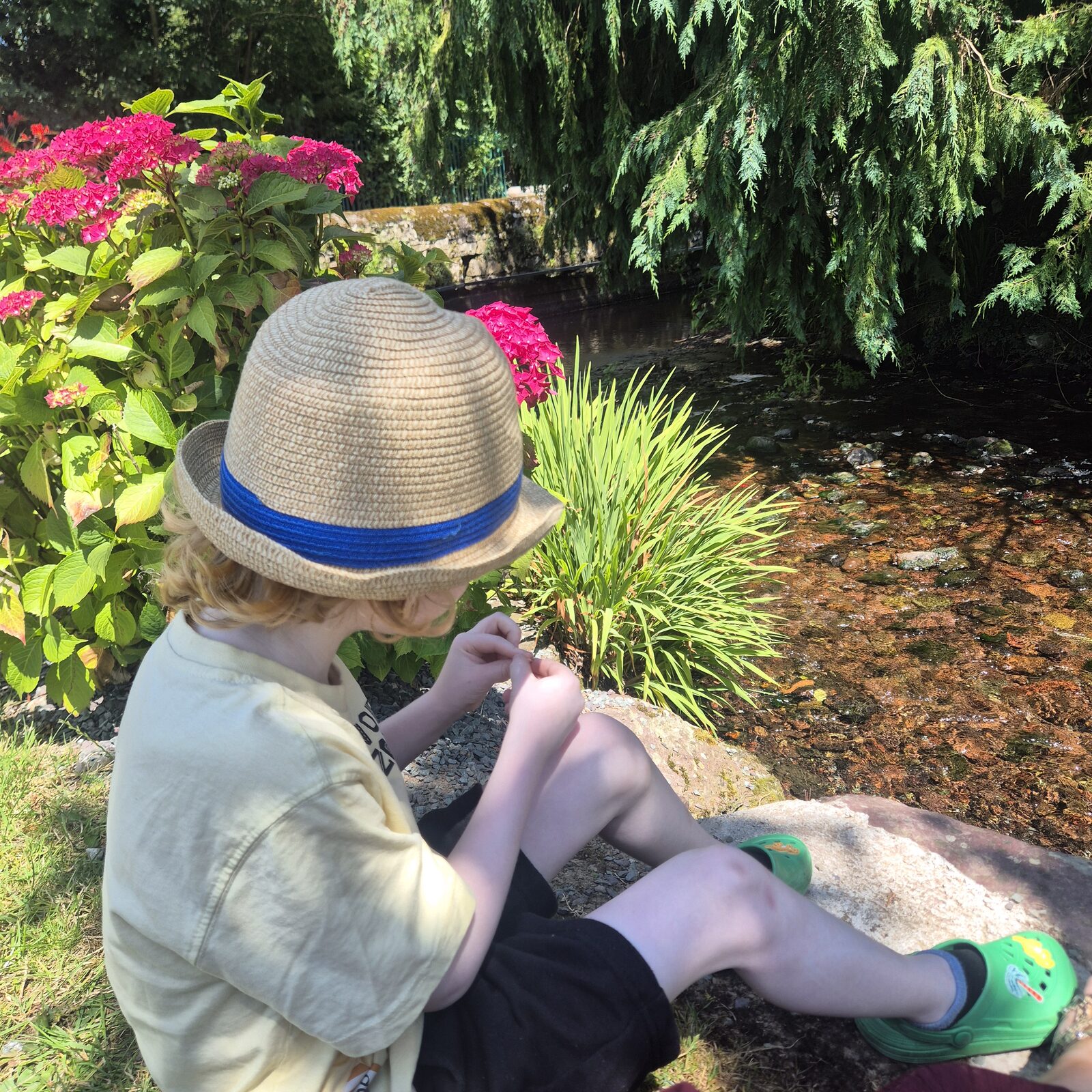
Sight. The particular gold of gorse against heather on a hillside. The way storm clouds pile purple-grey above green fields, sun breaking through in a single shaft. A child crouched by a stream, entirely absorbed in something too small for adult eyes to bother with.
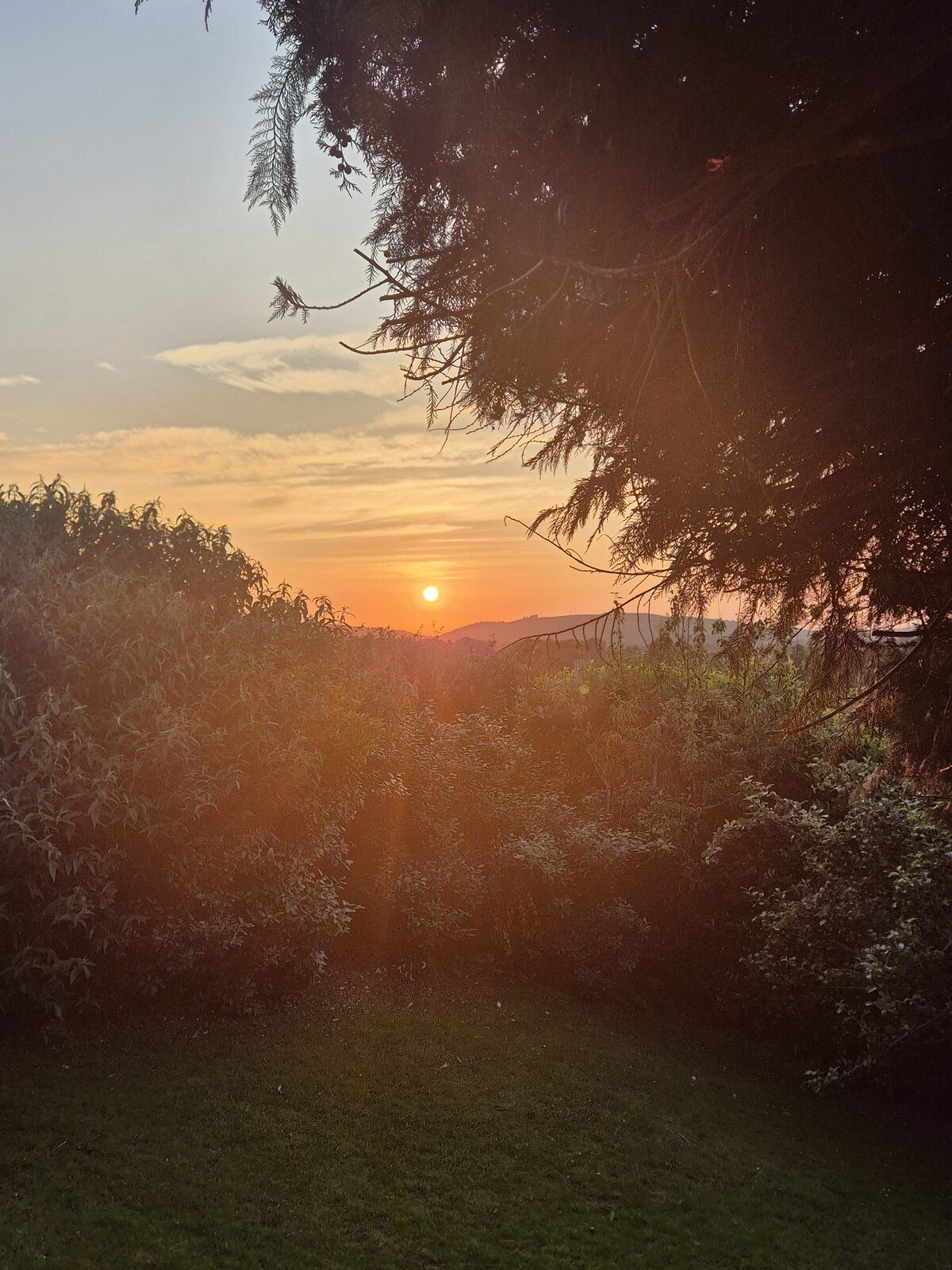
Sound. Waves folding onto sand at low tide. Wind moving through willow branches. The particular hush just before a sunset, when even birdsong seems to soften.
Touch. Warm stone under bare feet. Cool water rising past an ankle, a knee. The texture of grass, of bark, of the everyday world simply there to be felt.
Taste and smell. Salt air off the harbour. Woodsmoke drifting from a chimney at dusk. The green, growing smell of a garden after rain.
Engage even one sense fully, and something shifts. You're not thinking about being present — you are present, briefly, completely.
Why this matters
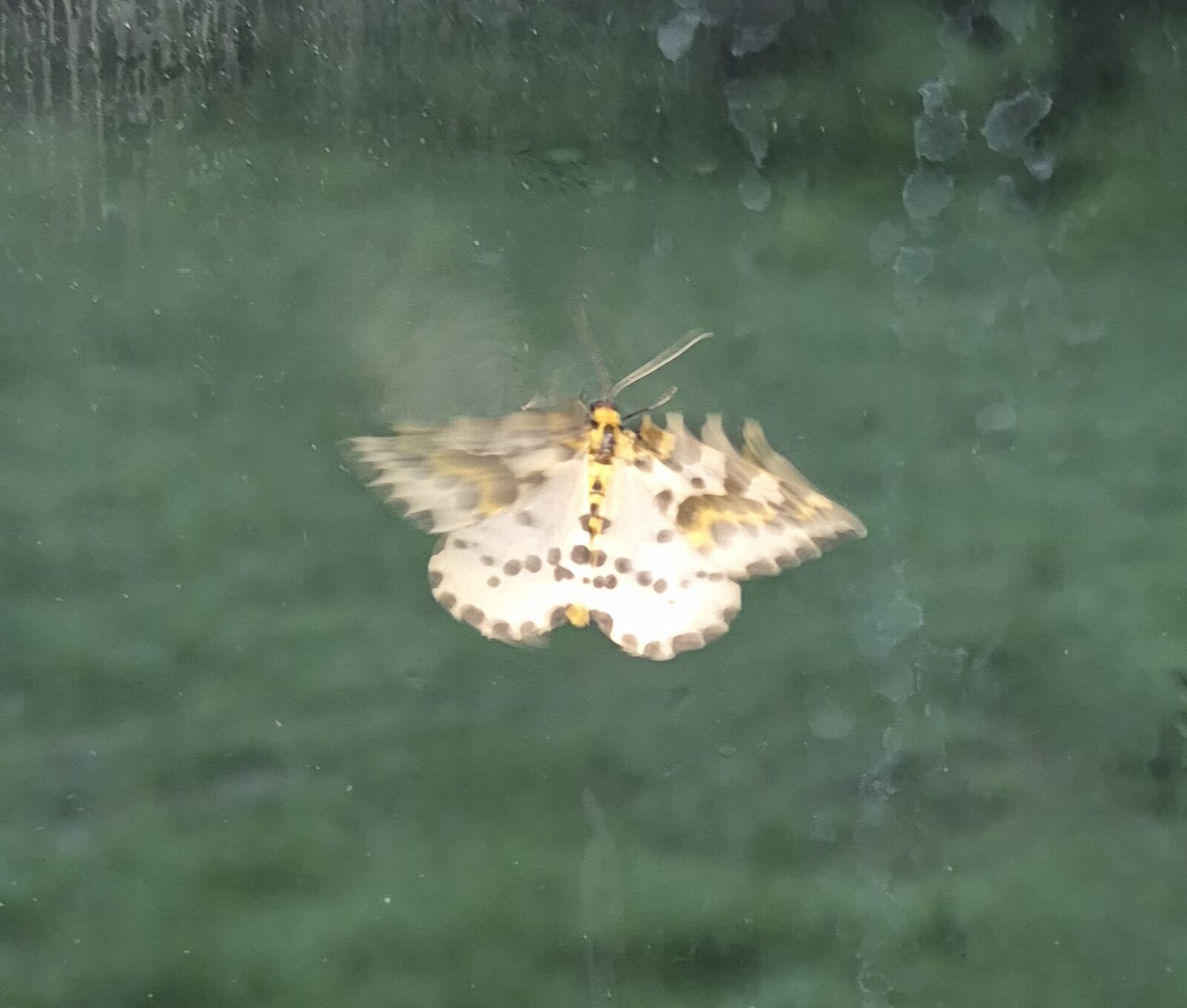
We are not built to sprint through our whole lives. Nervous systems that are constantly braced, scanning, planning three steps ahead — they don't get to rest, and neither do we. Practising mindfulness isn't about escaping your life. It's about coming back into it: noticing the sunlight through the trees at the end of a long day, the particular quality of an evening sky, the small green moth caught for a moment against a windowpane before it flies on.
None of these things ask anything of you except your attention. And in exchange, they offer something we're all quietly starving for — the felt sense of being alive, right now, in a body, in a place, in a moment that will not come again.
Coming home
This is the invitation at the centre of any real mindfulness practice: not to add one more thing to your to-do list, but to come home to yourself. To the senses you already have. To the beauty that was never missing — only unseen, because we were somewhere else in our minds.
Next time you catch yourself rushing, try this: stop. Look up. Notice one thing — a flower, a bird, a shift in light — and let yourself actually see it. That's the whole practice. That's the whole point.
The world has been waiting patiently for you to slow down enough to notice it was there.